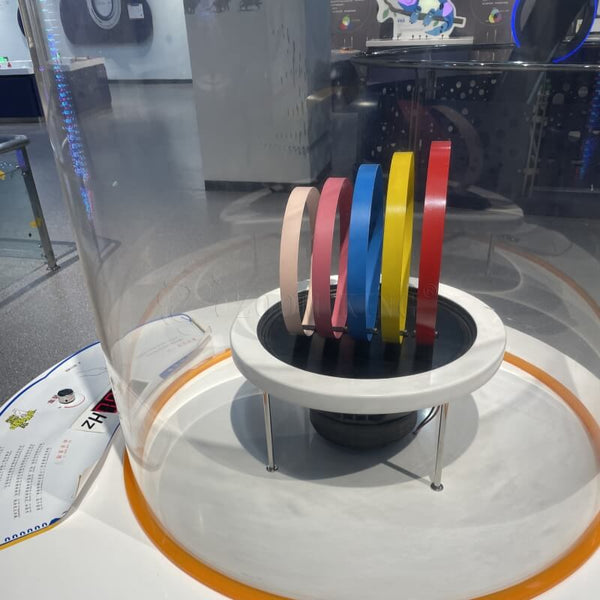
This interactive exhibit vividly demonstrates the critical function of the auricle (outer ear) in collecting sound, making it an ideal addition to science museums, technology centers, and popular science venues. The core principle is simple yet fascinating: the larger the auricle, the more effectively it can gather sound waves from the environment, amplifying our ability to detect faint or distant sounds.
Visitors can engage with hands-on components that let them test this concept directly. By using adjustable, oversized auricle models, they can observe how changes in size and shape directly impact sound collection—turning abstract anatomy into a tangible, sensory experience. This interactive element ensures learners of all ages can intuitively grasp the relationship between ear structure and auditory function.
Beyond its educational value, this exhibit is highly versatile, perfectly suited for a wide range of public spaces including campus halls, exhibition halls, art galleries, science parks, and machine exhibitions. It serves as both a captivating visual centerpiece and a powerful teaching tool, bridging the gap between human biology and everyday sensory experience.
Whether used to teach basic anatomy, acoustics, or sensory science, this auricle sound collection exhibit sparks curiosity and wonder. It invites visitors to explore the hidden mechanics of hearing, while showcasing the elegant design of the human body in an accessible, engaging way.
Child-safe, non-toxic, low-maintenance museum exhibits for long-term use.
Durable construction, energy efficient and designed for continuous public interaction.